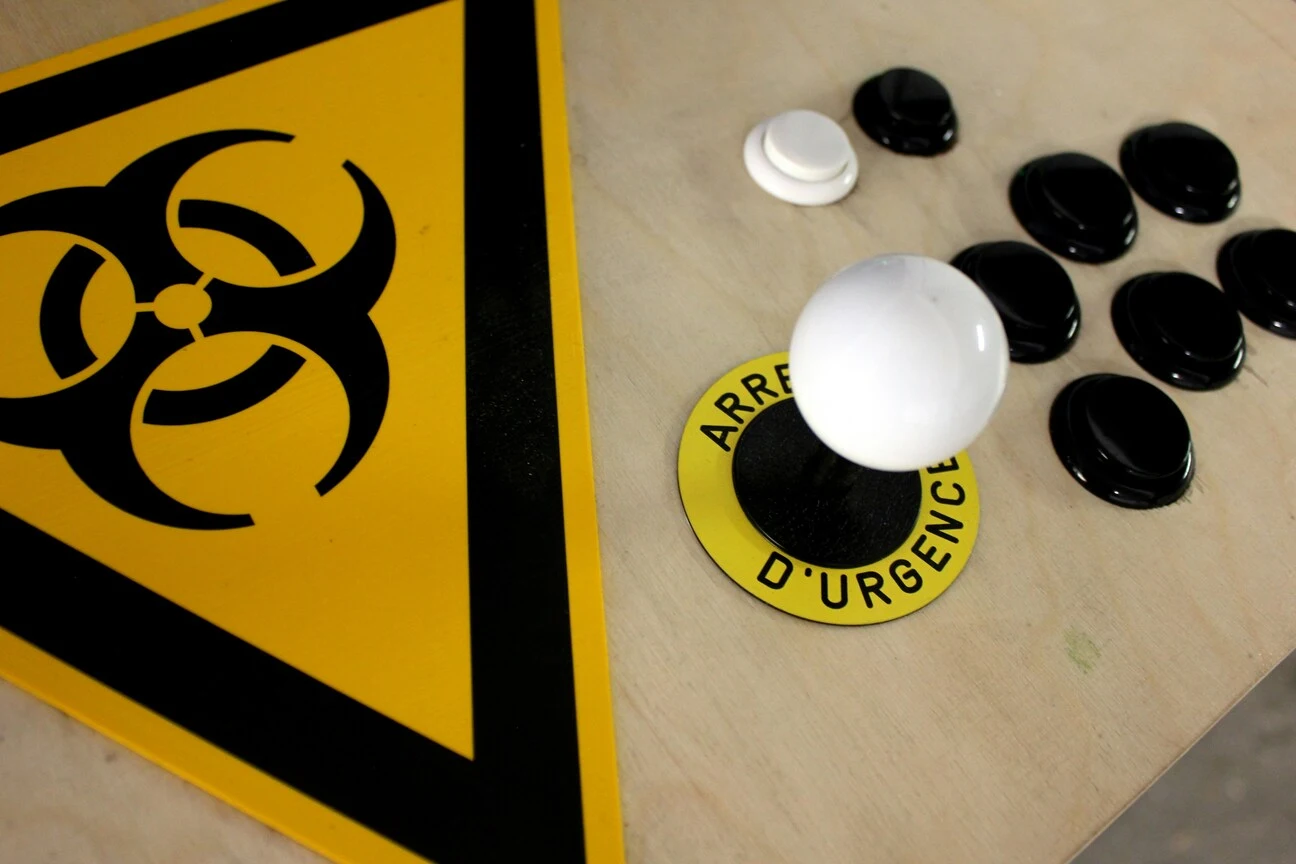
Biological Weapons
AI can make knowledge more accessible, including knowledge about how to create biological weapons. This paper shows how GPT-4 can help students with no scientific background create a pandemic pathogen:
Within an hour, chatbots suggested four potential pandemic pathogens, explained how they could be generated from synthetic DNA using reverse genetics, provided the names of DNA synthesis companies that were unlikely to screen orders, identified detailed protocols and how to troubleshoot them, and recommended that anyone lacking the skills required to perform reverse genetics hire a core facility or contract research organization.
This kind of knowledge has never been so accessible, and we do not have the necessary safeguards in place to address the potential consequences.
Furthermore, some AI models can be used to design entirely new dangerous pathogens. A model called MegaSyn designed 40,000 new chemical weapons/toxic molecules in one hour. The groundbreaking model AlphaFold can predict protein structures, which is also a dual-use technology. Predicting protein structures can be used to “discover disease-causing mutations using an individual’s genome sequence.” Scientists are now even creating fully autonomous chemical laboratories, where AI systems can synthesize new chemicals on their own.
The fundamental danger is that artificial intelligence reduces the cost of designing and deploying biological weapons by orders of magnitude.
Why Is a Pause Necessary?
Artificial intelligence is advancing at an unprecedented pace. The most powerful systems are being built by a small number of companies and countries, and the race for technological supremacy can put pressure to prioritize development over safety.
Sign the Petition