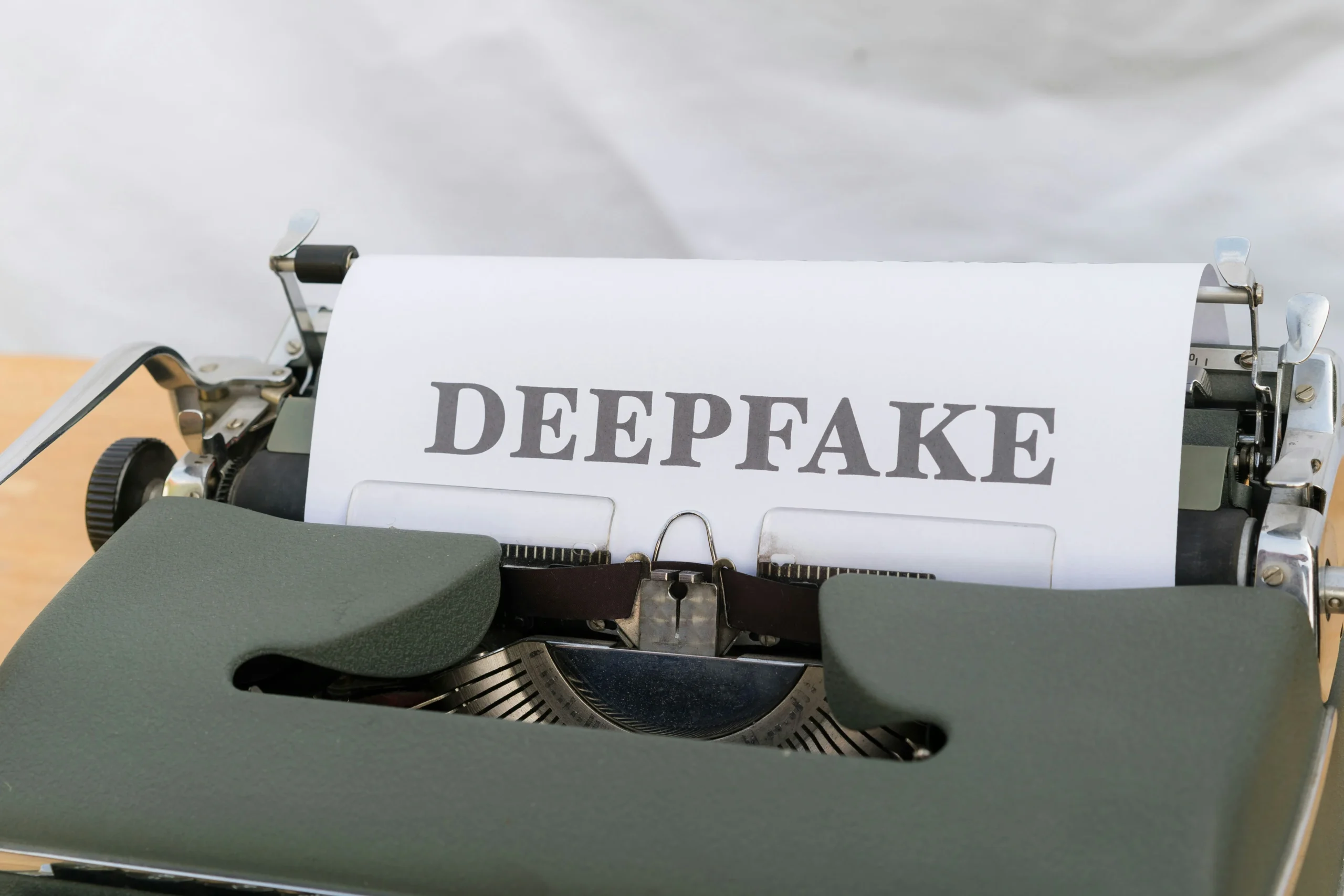
Disinformation and Fake News
Artificial intelligence is increasingly being used to create fake images, videos, and audio recordings in which public figures, politicians, or even ordinary people are depicted in situations that never actually happened. Through deepfake technologies, a person’s face can be replaced, their voice can be imitated, and their facial expressions and movements can be altered so that the resulting material appears authentic. In some cases, it is even possible to generate a person or a situation that never existed.
The problem is that these materials can become very difficult to distinguish from genuine content, especially for users who do not verify information across multiple sources. A fake video in which a politician appears to make a controversial statement, for example, can be shared by thousands or millions of people before it is fact-checked and proven to be false.
The rapid spread of such material on social media makes the problem even worse. Platform algorithms often favor content that generates strong reactions, and shocking, controversial, or emotionally charged material is more likely to be shared. As a result, false information can reach a very large audience in an extremely short time, even before institutions, journalists, or specialists have an opportunity to verify its authenticity.
The consequences can be significant. Deepfakes can damage a person’s image and reputation, influence public opinion, be used in election campaigns, fuel political or social conflicts, and facilitate fraud. During military conflicts or crises, a fake video or recording can cause panic and lead people to make decisions based on information that has no basis in reality.
Another important effect is the loss of trust in genuine information. As people become aware that almost any photograph, video, or audio recording can be generated or modified using artificial intelligence, a phenomenon known as the “liar’s dividend” may emerge: people caught in genuine recordings can claim that the material is fake or AI-generated. In this way, the technology is used not only to create lies, but also to cast doubt on the truth.
Therefore, artificial intelligence is both a tool with numerous positive applications and a major challenge for the information society. Combating AI-generated disinformation requires verifying information through independent sources, promoting digital literacy, developing tools to detect synthetic content, and encouraging greater responsibility among online platforms and users.
Why Is a Pause Necessary?
Artificial intelligence is advancing at an unprecedented pace. The most powerful systems are being built by a small number of companies and countries, and the race for technological supremacy can put pressure to prioritize development over safety.
Sign the Petition